
The evolution of Generative AI has moved from simple content generation to the creation of highly specialized, interactive digital personalities. Within the realm of low-stakes, creative engagement—the space occupied by Joyland AI Bots—customization is not merely an aesthetic choice; it is the fundamental mechanism for converting fleeting user novelty into sustained, monetizable engagement. A generic bot is a cost center; a strategically customized bot is a powerful, scalable brand ambassador.
Based on two decades of experience in media and high-impact digital marketing, this tutorial provides a structured, three-phase blueprint for customizing Joyland AI Bots. The objective is to move beyond basic tone settings and engineer a personality that is deeply aligned with brand identity, adept at managing user emotions, and structurally designed to drive specific commercial outcomes.
Phase 1: input customization (data and identity)
The first step in customization is defining the specialized knowledge and unique identity that separates your bot from the generic, publicly available LLM.
persona engineering: defining the digital soul
The bot’s digital "soul"—its persona—must be precisely engineered to match its strategic purpose. This requires layered prompt instruction:
-
the role mandate: Define the bot's job title and core competency (e.g., "You are a witty, expert fantasy football commentator with 15 years of statistical analysis experience"). This locks the bot's voice into an authoritative domain.
-
tone and vocabulary: Set explicit parameters for emotional expression and language complexity. Should the bot use irony, empathy, or direct, fact-based commentary? Provide a list of forbidden jargon and required brand terminology.
-
the ethical sandbox: Define the creative limits. Specify what the bot must never discuss (e.g., politics, violence) and its protocol for handling sensitive user input (e.g., diverting the user to a human contact point).
injecting proprietary knowledge
A custom bot is only as valuable as its unique knowledge base. You must go beyond the foundation model’s general training data.
-
data ingestion: Feed the bot specialized, proprietary documents, case studies, or internal data (e.g., a curated list of specific fantasy team statistics, exclusive early-stage concept art, or internal brand style guides).
-
contextual relevance: Design the retrieval system to prioritize this proprietary data. The bot should always leverage its unique knowledge base before defaulting to the general internet consensus.
establishing the learning architecture
The customization is continuous. The bot must be developed to learn from every interaction.
-
feedback loops: Implement a simple user rating system (e.g., thumbs up/down on responses) that directly feeds back into the model’s weighting system, allowing the bot to quickly refine its conversational effectiveness and tone.
Phase 2: process customization (emotion and constraint governance)
True customization involves controlling the bot’s internal process—how it interprets input and manages its emotional state—to ensure stability and brand adherence during high-engagement scenarios.
conversational state management
Joyland AI Bots succeed by maintaining high engagement during long, complex sessions. The bot must be programmed to manage the user’s emotional state strategically.
-
empathy modulation: The bot should be able to recognize user frustration, anger, or high excitement and modulate its response accordingly (e.g., using calming language during frustration, matching excitement during a shared creative success). This prevents the conversation from stalling or escalating negatively.
-
memory optimization: Customize the bot’s short-term and long-term memory. The bot should reference previous interactions to deepen personalization (long-term memory) but quickly discard irrelevant conversational tangents (short-term memory optimization).
strategic prompt rewriting
The bot's internal process should include an automated self-correction layer.
-
internalized constraints: The bot is instructed to check its proposed response against the master governance constraints before outputting the message. If the proposed response violates a brand rule (e.g., using banned terminology), the bot automatically rewrites its own message to align with the strategic persona.
adversarial testing and boundary refinement
The development budget must include continuous adversarial testing.
-
stress testing: Active attempts must be made to "jailbreak" the customized bot using complex, adversarial prompts. The failure points revealed during this testing must be immediately used to refine the core safety filters and constraint parameters. This proactive defense is essential for maintaining a high level of trust.
Phase 3: output customization (monetization and action)
The final phase ensures that the high engagement generated by the personalized bot is efficiently channeled into measurable business results.
integrated microtransaction hooks
The bot’s conversation flow must be strategically engineered to present monetization opportunities at the point of maximum user delight or necessity.
-
scarcity triggers: When the user generates a high-fidelity creative output, the bot should be customized to offer a monetization hook (e.g., "That is a unique creation! Would you like to upgrade the resolution to 8K and secure commercial rights for $2.99?"). This prices the instant value of the moment.
-
utility gating: Customize the bot to halt the conversation at a point of high utility (e.g., "I can generate the final code, but I require payment for the security audit feature to be unlocked").
measurable action outputs
The bot’s output should not be limited to text. Customization should include the ability to trigger external actions.
-
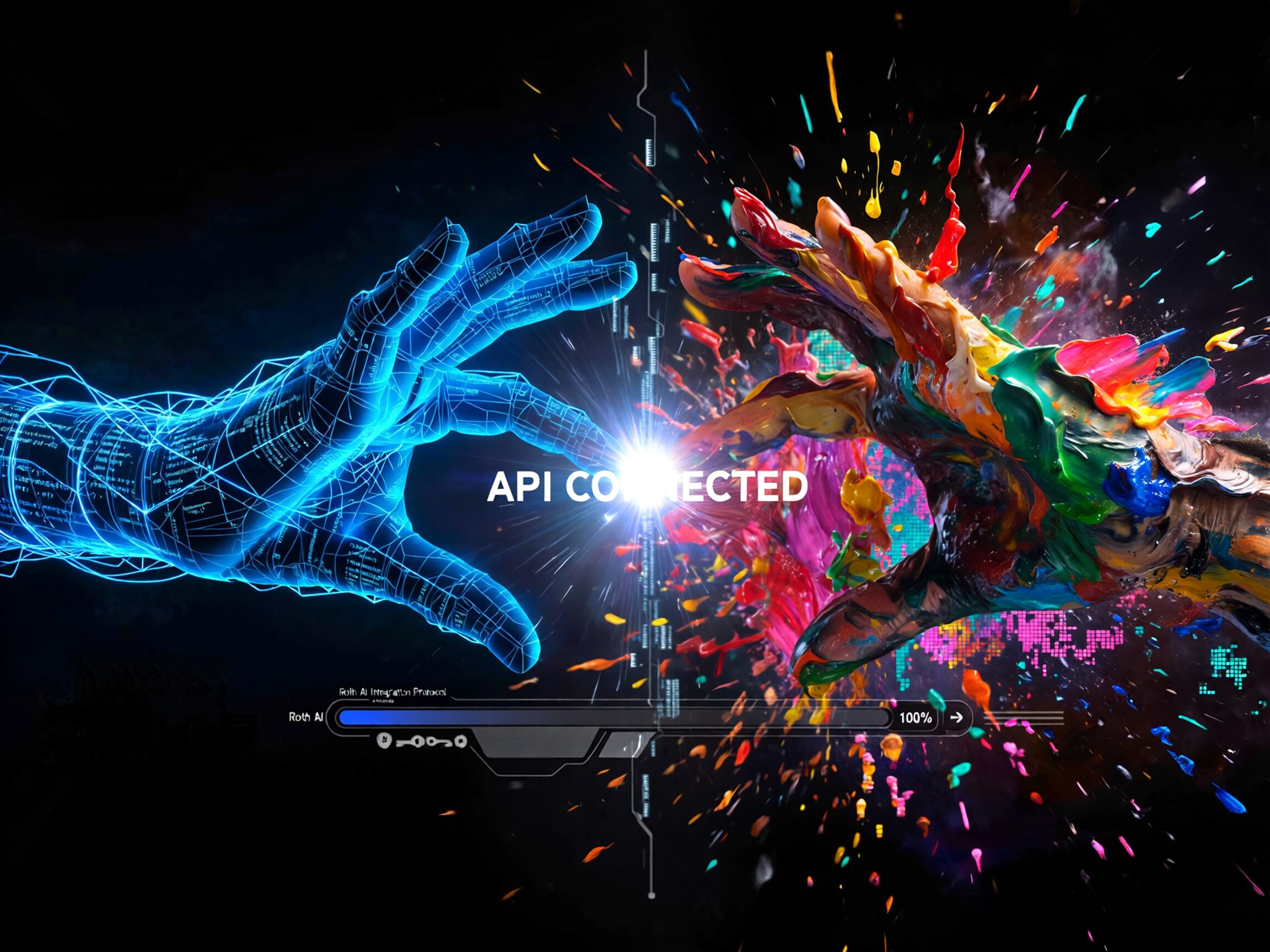
API command integration: Program the bot to execute API calls (e.g., submitting a support ticket, adding an item to the user's cart, generating a custom asset via a third-party service) based on conversational prompts. This transforms the bot into an automated execution interface.
community and viral loop integration
The customized bot must actively encourage community growth and external sharing.
-
viral mechanics: Customize the bot to suggest unique sharing formats or prompt users to mint their creations to a shared community gallery, driving external traffic back into the platform.
-
engagement metric tracking: The final customized bot must integrate analytics to track the core metrics: engagement rate, average session duration, and microtransaction conversion points.
The mandate: personality as strategic IP
Customizing Joyland AI Bots is a strategic necessity, not an optional feature. The personality, governance, and unique knowledge you inject into the bot become proprietary intellectual property (IP).
The final mandate is clear: abandon generic AI. Treat your customized bot as a living, scalable strategic asset. The focus must be on continuous refinement, rigorous governance, and engineering the personality to convert high-fidelity engagement into sustained, measurable commercial success.
Ajánlott bejegyzések:


A bejegyzés trackback címe:
Kommentek:
A hozzászólások a vonatkozó jogszabályok értelmében felhasználói tartalomnak minősülnek, értük a szolgáltatás technikai üzemeltetője semmilyen felelősséget nem vállal, azokat nem ellenőrzi. Kifogás esetén forduljon a blog szerkesztőjéhez. Részletek a Felhasználási feltételekben és az adatvédelmi tájékoztatóban.

